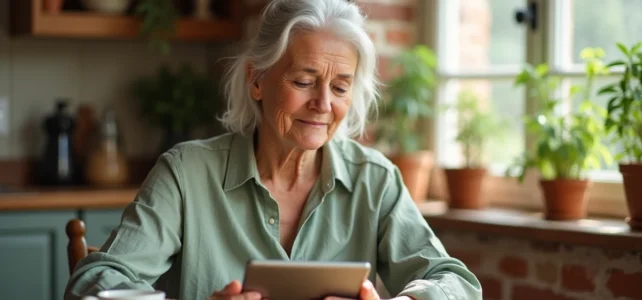
Transitioning from a professional pace to days free of obligations doesn’t happen overnight. The body, finances, social relationships: every dimension of daily life is redistributed at retirement. Knowing where to find the right resources and what reflexes to adopt from the very first months makes a lasting difference in the quality of life during senior years.
Employment-retirement combination and progressive retirement: two underestimated levers
Have you heard of the employment-retirement combination without really understanding what it concretely changes? Since the pension reform of 2023, retirees who have claimed their full pension can combine a professional activity and their pension without a ceiling. Even better, since September 2023, this activity generates new retirement rights.
Surveys from the DREES and CNAV show that the majority of retirees in an employment-retirement combination do not do it solely for financial reasons. Maintaining social ties and the need to stay active are the top motivations. This logic of gradual transition, rather than a sharp break, changes the way the first years of retirement are approached.
Progressive retirement works on a similar principle: reducing working hours while receiving a portion of the pension. This system allows testing a new pace of life before the definitive departure. For everything you need to know about Le Senior des Années, this type of resource helps explore these systems and anticipate each step.
Senior housing: beyond the classic service residence
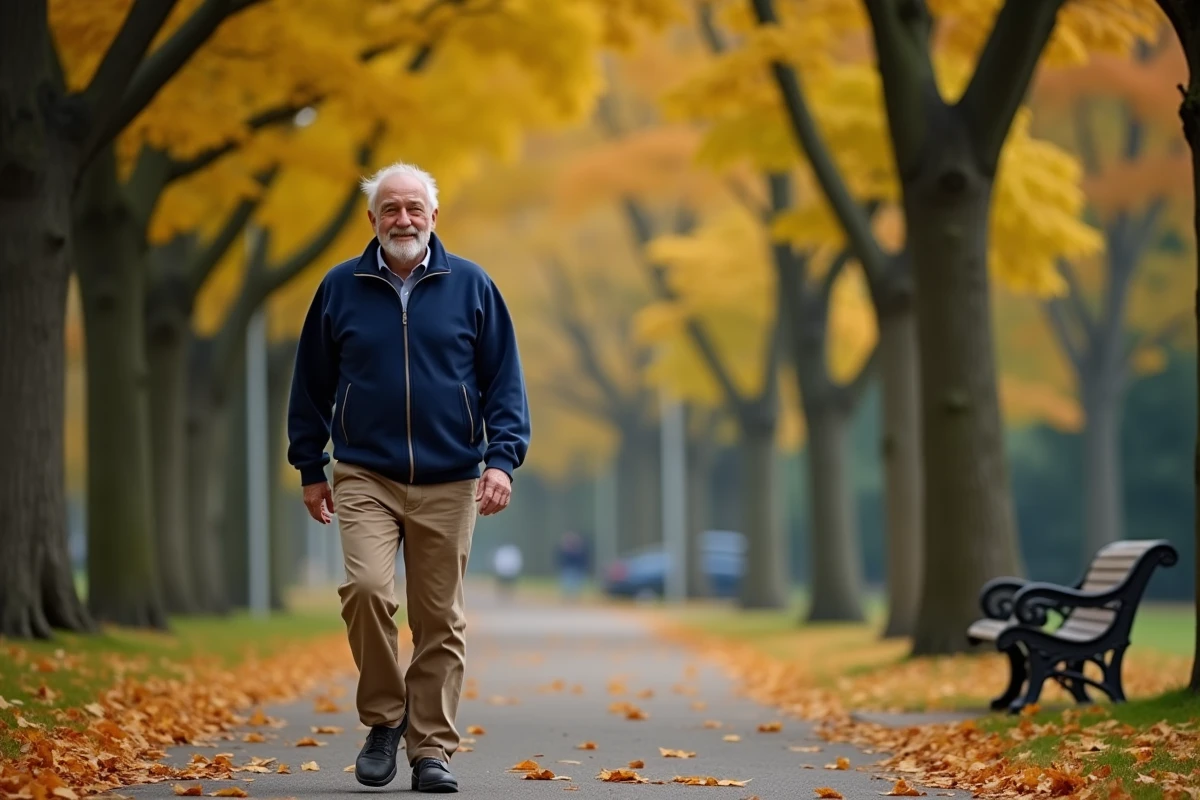
The choice of housing after 60 is no longer limited to two options (staying at home or moving into a residence). Several forms of housing are rapidly developing in France and deserve to be known before making a decision.
- Intergenerational coliving brings together seniors and younger people under one roof, with private spaces and shared common areas. Programs supported by the Caisse des Dépôts and certain local authorities have multiplied since 2022-2023 to combat isolation.
- Senior villages offer individual houses or apartments grouped around shared services (concierge, common room, activities). The setting remains independent, without the medicalized dimension of a nursing home.
- Participatory housing allows a group of future neighbors to design their living space together, collectively defining the rules of operation and shared spaces.
The High Council for Family, Childhood, and Age (HCFEA) has highlighted since 2023 a strong trend towards the diversification of these forms of housing. The common point of these alternatives: they place social life at the center of the housing project, not just safety or material comfort.
Budget and income in retirement: anticipating changing expenses
The transition to retirement alters the structure of expenses in sometimes unexpected ways. Some items decrease (commuting costs, meals at work, professional clothing). Others increase, sometimes significantly.
Health expenses increase with age, particularly in optical, dental, and hearing aid sectors. Checking the guarantees of one’s mutual insurance before retiring avoids a high out-of-pocket expense for these common care needs. Complementary retirement funds (notably Agirc-Arrco) offer free health prevention assessments, which are little known but useful for a complete overview.
On the income side, several aids remain underutilized. The solidarity allowance for the elderly (ASPA) is aimed at retirees with low resources. Housing aids (APL, ALS) do not disappear after 60. Identifying the aids one is entitled to takes time, but it can represent several hundred euros per month.

Investments and life insurance: adapting your strategy
A savings portfolio built during active life may not always be suitable for retirement. The investment horizon shortens, and the need for regular income increases. Gradually shifting part of one’s investments to less volatile assets (life insurance euro funds, regulated savings accounts) reduces the risk of having to sell during downturns.
The taxation of life insurance remains advantageous after eight years of holding, making it a flexible income supplement tool. Take the time to compare management fees, as they directly impact long-term returns.
Health prevention and daily balance: concrete resources
The Retirement Insurance offers a program called ICOPE, aimed at assessing the physical and cognitive abilities of seniors. This type of assessment, which can be done online or with a healthcare professional, detects early signs of fragility (mobility issues, hearing loss, social isolation).
Why focus on this from the very first years of retirement? Because prevention works best when it intervenes before the loss of autonomy. Waiting for the first problems reduces the margin for maneuver.
Some useful resources to know:
- “Aging well” workshops organized by retirement funds and mutual insurance, covering adapted physical activity, nutrition, and memory.
- Preventive dental consultations covered after 60 by Health Insurance.
- Adapted physical activity (APA) programs, prescribed by a doctor and supervised by trained professionals, often partially covered by health supplements.
Maintaining regular physical activity remains the most documented protective factor against cognitive decline and loss of mobility. No need for athletic performances: daily walking, gardening, or swimming are sufficient to produce measurable effects on balance and bone density.
Living well in retirement relies on decisions made early, often even before the last working day. The choice of housing, checking health coverage, exploring the employment-retirement combination: each of these topics benefits from being treated as a standalone project, not just another administrative formality.