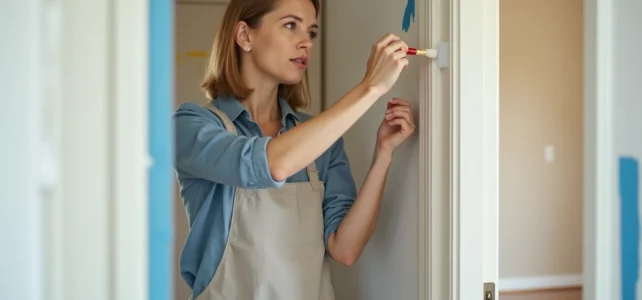
Maintaining and improving your home on a daily basis relies less on large, one-off interventions and more on an accumulation of short, targeted actions. Recent content on the subject converges towards a logic of prevention: acting before dirt or wear sets in, rather than catching up on accumulated neglect. This approach changes the way we think about cleaning, organizing, as well as the choice of materials and equipment.
Materials and surfaces: a choice that dictates daily maintenance
Most home maintenance advice focuses on products or routines. They overlook a crucial factor: the type of surface installed in each room. A raw wood countertop requires regular treatment with oil or wax, whereas a quartz countertop can be cleaned with a single damp sponge without any additional treatment.
You may also like : How to Travel Without Paying a Single Supplement for a Single Room: Tips and Advice
The same reasoning applies to floors. Large-format tiles, with few joints, accumulate less dust and debris than a mosaic or unsealed parquet. On walls, a washable satin paint allows you to wipe away fingerprints in the kitchen or hallways without damaging the finish.
During a renovation or a simple refresh, Ma Maison Info details the technical characteristics of these materials to guide the choice based on the household’s lifestyle. The principle is straightforward: choosing a low-maintenance material reduces upkeep time over several years, much more than switching cleaning products.
See also : Tips and Practical Advice for Securing Pallets to the Ground Durably
Field reports vary on this point for entry-level laminate floors. Some do not withstand repeated passes of a damp mop well, while others endure daily cleaning without warping. The manufacturer’s technical sheet (usage class and moisture resistance) remains the only reliable indicator before purchase.
Cleaning equipment: what truly changes the workload
The “equipment” angle is often reduced to a list of brands. What matters is understanding why certain tools change the frequency and duration of household tasks.
A lightweight cordless vacuum cleaner (weighing less than 2.5 kg) eliminates the hassle of plugging in and moving between rooms. The action becomes so quick that it fits into a routine of just a few minutes, whereas a traditional canister vacuum requires a longer time slot.
The steam mop operates on the same principle. It heats up in about twenty seconds, disinfects without chemicals, and dries faster than traditional washing. For families with young children or pets, this results in measurable time savings over the week.
- The sensor soap dispenser in the kitchen limits greasy fingerprints on handles and the bottle, reducing the frequency of cleaning the countertop.
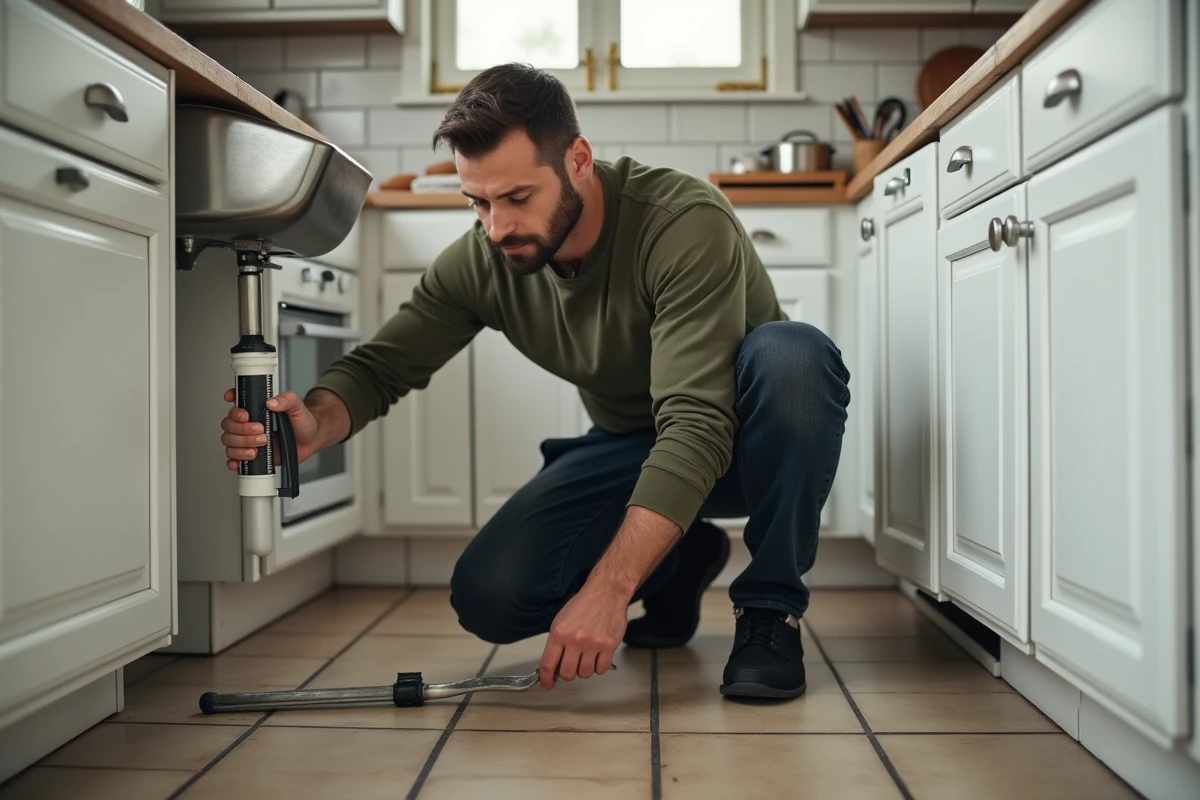
- An integrated sorting bin under the sink (with two or three compartments) prevents the accumulation of bags on the floor and facilitates daily waste management.
- Wall-mounted shower squeegees, used after each shower, delay the appearance of limescale on bathroom surfaces.
None of these items alone transforms cleaning. However, when combined, they reduce the repetitive actions that, added together, account for the majority of weekly maintenance time.
Micro-habits of maintenance: the logic of prevention room by room
The micro-habits approach involves performing one to two short actions per room each day, instead of concentrating cleaning into a single long session. The principle is based on preventing accumulation.
Kitchen and dishes
Cleaning the cooktop and any splatters right after a meal, while the residues are still warm, takes less than a minute. Waiting until the next day turns this same task into several minutes of scrubbing with a degreasing product.
Emptying and wiping the sink after doing the dishes prevents limescale deposits and yellowish stains from embedding in the enamel or stainless steel. This thirty-second action postpones deep descaling by several weeks.
Bathroom and wet surfaces
Stagnant humidity is the primary cause of mold on tile joints and shower curtains. Ventilating the bathroom for at least ten minutes after each shower, or activating the mechanical ventilation system if available, is enough to maintain an acceptable humidity level.
Using a squeegee on the glass wall takes just a few seconds. Without this action, limescale builds up in successive layers and requires treatment with concentrated white vinegar, which is longer and more aggressive on the joints.
Dust and furniture in living areas
Dust primarily settles on horizontal surfaces: shelves, furniture tops, window sills. A quick pass with a dry microfiber cloth, two to three times a week, prevents the dust layer from settling and becoming sticky due to ambient humidity.
For varnished or lacquered wooden furniture, a slightly damp cloth is sufficient. Polishing products often leave a greasy film that attracts more dust, creating a counterproductive cycle.
Outdoor maintenance integrated into daily domestic life
Articles on home maintenance often overlook immediate surroundings: patios, door thresholds, gutters, and exterior joinery. These areas exposed to the elements directly influence indoor cleanliness.
An effective doormat captures the majority of particles before they enter the home. Coconut fiber models, brushed once a week, retain sand, dirt, and small gravel much better than smooth synthetic mats.
Patio joints and sliding door thresholds deserve regular sweeping, especially in autumn when fallen leaves block water drainage. Untreated clogging can lead to infiltrations under the threshold, impacting the interior floor covering.
- Check gutters twice a year (spring and autumn) to prevent overflow on facades.
- Clean PVC or aluminum joinery with soapy water to preserve their waterproofing and color.
- Clear outdoor ventilation grilles, often obstructed by cobwebs or plant debris.
Preventive outdoor maintenance costs time in minutes but avoids repairs that take hours. A cracked patio joint left untreated for two winters can require a complete redo of the affected area, whereas a simple caulking would have sufficed initially.