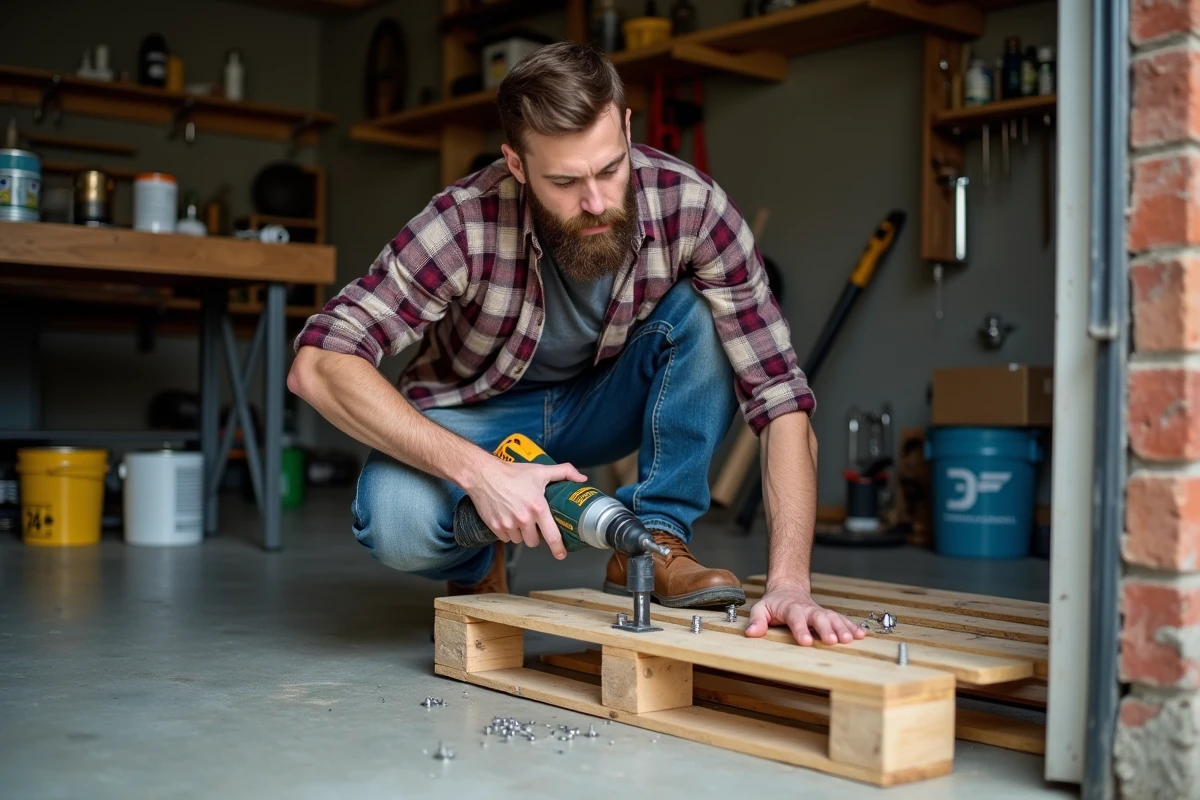
Ground-level fixings expose pallets to unusual stresses: persistent humidity, support movements, temperature variations. Assembly errors accelerate wood wear and harm stability, even with robust materials. Screwing directly without preparation weakens the structure in the long term.
Some rarely mentioned techniques can optimize the performance and durability of pallets used outdoors. Methods vary according to the nature of the ground, local weather, and intended use. Ignoring these parameters reduces the lifespan of the installations made.
Pallets, a creative and sustainable solution for outdoor spaces
The pallet terrace has become, in recent years, an accessible, clever option that truly respects the environment, far from industrial standards. Derived from recycling, wooden pallets come in various forms: Europe pallet (EUR/EPAL), returnable, standard, or disposable. It is better to choose solid models, such as the Europe pallet or returnable pallets, known for their longevity. The type of wood—pine, oak, beech—makes a difference: each species has its own resistance to the elements, a detail that weighs heavily when aiming for durability.
The appeal of garden furniture made from pallets lies in its flexibility. Corner sofas, armchairs, coffee tables, huts… each creation reflects the ingenuity of its builder and meets specific needs. Once connected, terrace pallets open the door to completely personalized spaces, adaptable to each season. Cushions, fairy lights, flower pots are added: the result comes to life, unique, far from the uniformity of furniture chains.
This choice is attractive for both its economic and ecological aspects. Betting on reclaimed wood pallets reduces the amount of waste produced and fits into a DIY and customization approach. The structure can be easily modified: moving or reorganizing your terrace becomes a simple matter of adjustments.
One point should never be overlooked: effectively fixing pallets to the ground. This step, too often overlooked, determines both the stability and longevity of the installation. To go further, the page “Fixing pallets to the ground: simple and effective methods” gathers techniques for every outdoor configuration.
What pitfalls should be avoided before fixing pallets to the ground?
Before you start assembling a pallet terrace, the ground preparation must be thoroughly examined. An uneven or insufficiently protected terrain compromises any idea of long-term resistance. Installing a geotextile membrane prevents weed growth and promotes drainage. Complement with a layer of gravel or sand: this stabilizes the whole and slows down moisture that could rise into the wood. Skipping these steps risks premature degradation of the structure.
The choice of pallets should leave nothing to chance. Prefer those marked with HT (Heat Treatment): this thermal treatment protects against pests and limits the presence of undesirable substances. Absolutely avoid pallets stamped MB, as the methyl bromide used during fumigation is harmful to health and the environment. Examine the condition of the wood: cracks, splinters, signs of rot may jeopardize the solidity of your project.
Leveling is among the structural steps. A spirit level allows for a uniform result. Plan a slope of 1 to 2% to facilitate rainwater drainage: this keeps the wood safe from stagnation and rapid aging. For a secure and reliable project, equip yourself properly: stainless steel screws, metal brackets, protective gloves, everything must be ready before starting work.
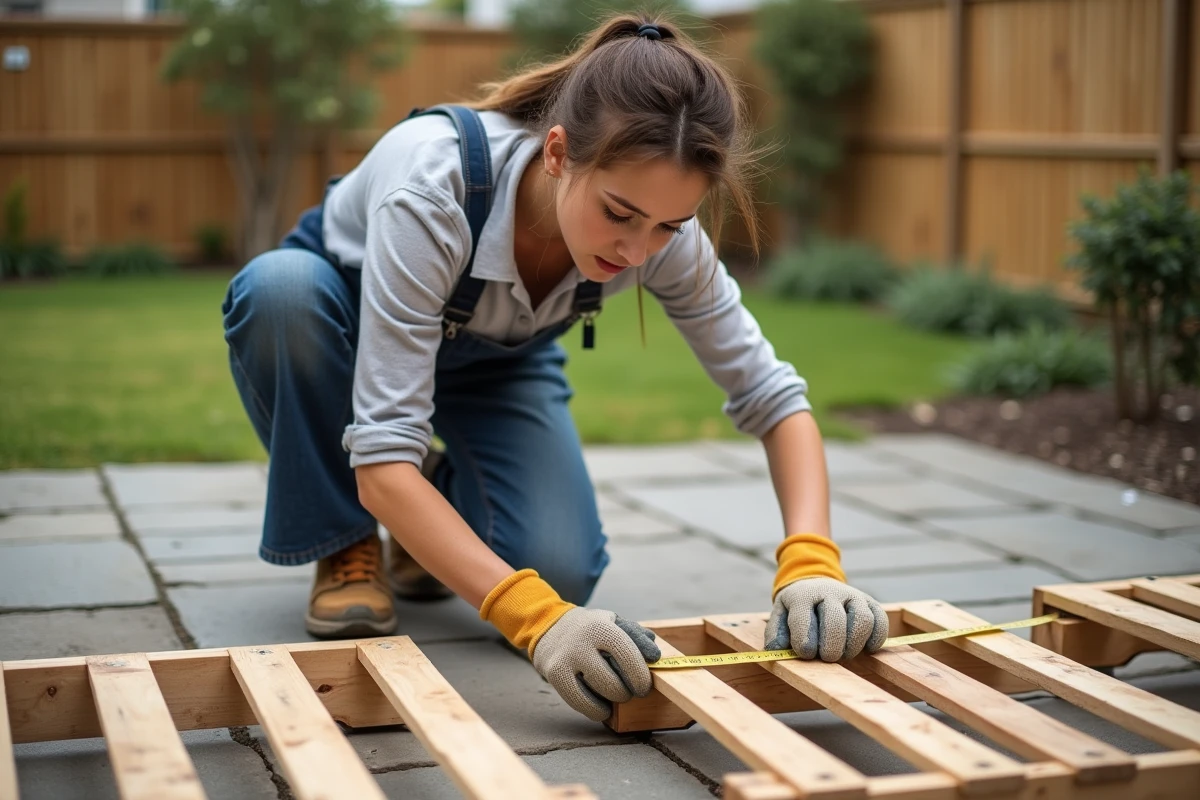
Techniques and tips for a solid fixation that withstands the seasons
The success of your terrace or garden furniture made from pallets directly depends on how the elements are fixed to the ground. For a structure that withstands humidity and temperature variations, rely on metal brackets and stainless steel screws. This duo protects against corrosion and ensures long-lasting hold. Adjustable supports or concrete ones allow for elevating the structure. The result: the wood does not touch the ground directly, water drains better, and the risk of rotting decreases significantly.
Here are the key steps to follow for a reliable and durable assembly:
- Use a spirit level to lay each pallet flat.
- Connect the pallets together with solid battens that reinforce the whole.
- In high-traffic areas, double the fixings with galvanized nails or double fasteners to prevent any sagging.
A careful sanding of each pallet limits splinters and reduces water penetration. Always protect the wood, from installation, with linseed oil, a saturator, or a stain, then repeat the operation during the annual maintenance. This care prolongs the life of your terrace and keeps the wood healthy.
Drainage remains a priority: a slight slope, a bed of gravel under the pallets, and a geotextile membrane are your best allies in repelling moisture. Adjust the technique based on the wood used, pine, oak, beech, to ensure a solid and resistant structure, season after season. It is precision, the quality of the fixings, and the consistency of maintenance that make all the difference.
Ultimately, a well-thought-out layout, mastered gestures, and carefully chosen materials allow for the creation of an outdoor space that withstands the test of time. The next downpour will no longer be a challenge, but a mere detail in the life of your terrace.