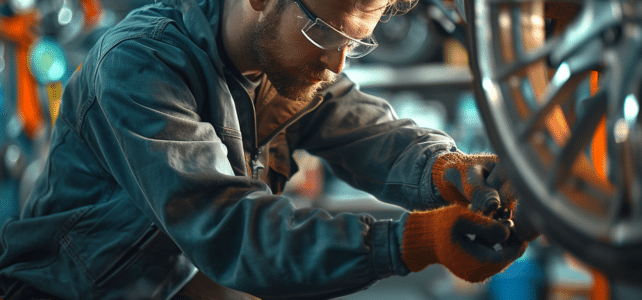
The longevity of a vehicle greatly depends on the regular maintenance of its vital components, among which the wheels play a crucial role. They not only ensure mobility but also contribute to safety and driving comfort. Well-maintained tires guarantee better grip on the road, while wheels in good condition prevent imbalances and vibrations. Periodic checks of inflation, tread wear, and wheel balancing are essential. In case of deterioration, it is important to know how to carry out proper repairs to maintain the vehicle’s optimal functionality.
Wheel Maintenance: Essential Practices for the Longevity of Your Tires
Wheel maintenance is a key component of your vehicle’s longevity. Ensure that the tire pressure complies with the manufacturer’s specifications. An under-inflated or over-inflated tire can lead to premature wear, reduce driving performance, and increase fuel consumption. Use a reliable pressure gauge to check the pressure and adjust it as needed, especially before a long trip.
The Tire Pressure Monitoring System, or TPMS, is a valuable ally. It alerts the driver when the pressure of a tire falls below a critical threshold, helping to prevent accidents. Make sure that the TPMS sensors are functioning correctly and that their batteries are replaced periodically to ensure constant monitoring.
For motorhome owners, tire maintenance is even more fundamental due to the weight and size of the vehicle. Proper pressure is essential to maintain stability and maneuverability. Beyond tire pressure, cleaning the water systems is part of the regular maintenance necessary for these recreational vehicles.
Regularly inspect the physical condition of the tires and wheels. Look for signs of wear such as cracks, cuts, or bulges on the tires. A cracked rim can be a sign of a serious impact and requires immediate attention. Safety relies on these visual checks: they allow for the detection of problems before they worsen and compromise driving safety.
Wheel Repair: When and How to Intervene in Case of Damage
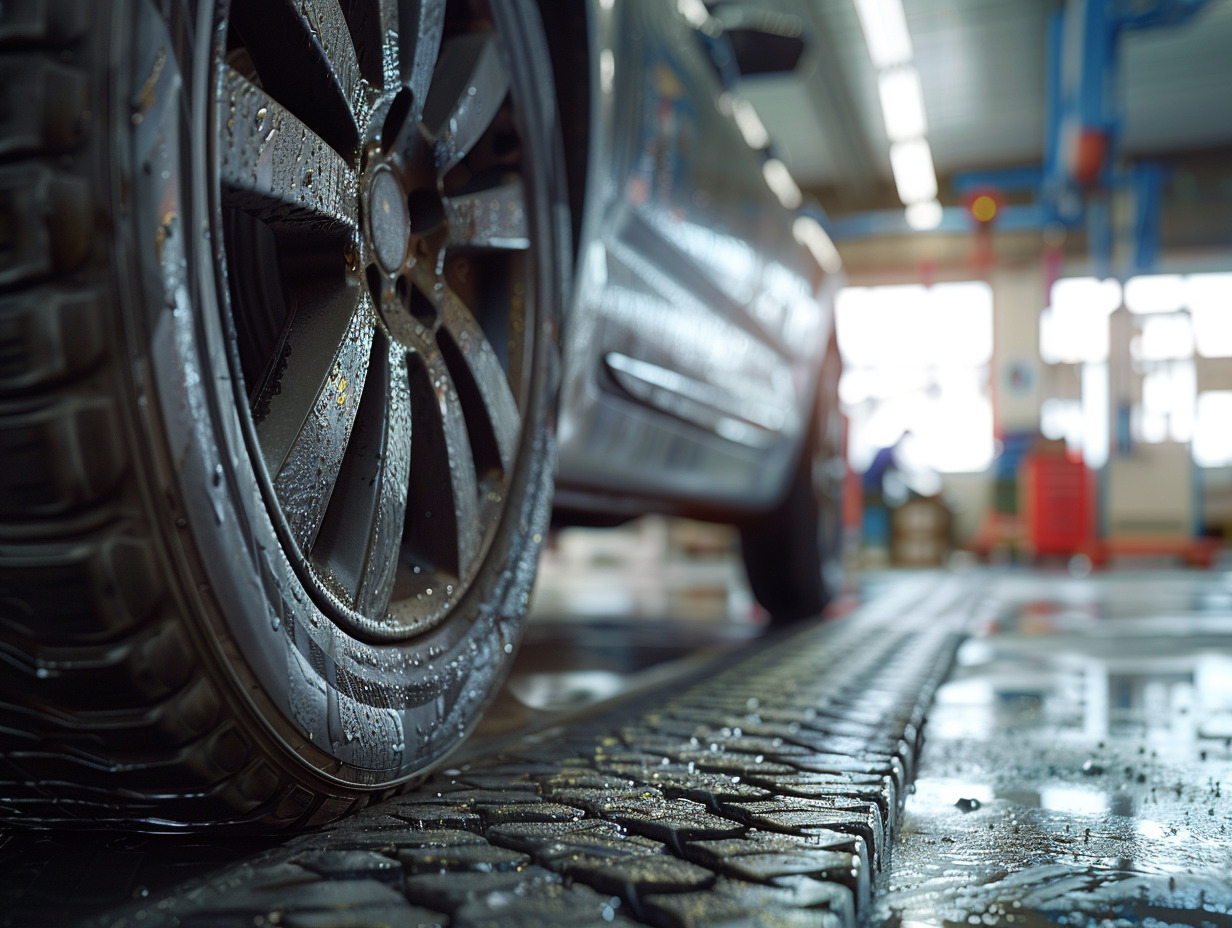
When a flat tire occurs, the reaction must be quick and appropriate. A sharp object on the road can cause a puncture, leading to a loss of vehicle control. Emergency repair often involves using a spare tire or sealing the leak. Ensure a thorough inspection to identify the source of the problem before any intervention.
In the case of a damaged tire, consulting a professional mechanic is often wise. They will repair or replace the faulty tire while ensuring that all components, such as the lug nuts, are properly readjusted. Driving on a flat tire, even for a short distance, can cause irreversible damage to the tire structure and mechanical components such as the transmission.
The modernity of vehicles, like the Ford Focus, integrates complex electronic systems that interact with the wheels. A speed sensor, for example, transmits vital data to the computer, influencing the operation of ABS/ASR systems. A damaged tire can distort this information, compromising the effectiveness of these safety systems. Consider the technical specifications of your car when repairing the wheels.
Regarding cost, transparency is essential. Before any repair, demand a precise diagnosis and a detailed estimate to avoid surprises. Specialized companies, such as My-ProCar, offer tire repair services at competitive prices. Compare offers and choose the one that guarantees quality work at a reasonable rate. Replacing a tire or a wheel is a matter of safety as much as it is of budget.