
A dog returns from the clinic after a splenectomy, the wound is clean, and the vital signs are stable. The real work begins now, at home, in the weeks and months that follow. The spleen filtered the blood and stored immune cells. Without it, the dog can live normally, but certain vulnerabilities arise that require concrete daily attention.
Post-operative arrhythmias: what to monitor in the first three days
This is not discussed enough with owners at the time of discharge. Within 24 to 72 hours following the procedure, ventricular arrhythmias may occur, especially when the splenectomy was performed for a splenic hemangiosarcoma. The mechanism is related to circulatory instability and inflammatory substances released during surgery.
Specifically, we watch for sudden weakness, unusual agitation, abnormal breathing, or loss of balance. If any of these signs appear, we call the veterinarian immediately. This is why most equipped clinics keep the dog on an electrocardiogram for 48 to 72 hours before releasing it.
When considering a splenectomy in dogs, it is important to understand that the hospitalization period is not just a comfort measure: it is a critical window for detecting these heart rhythm disorders. A premature return home without appropriate monitoring increases the risk.
Babesiosis and ticks after splenectomy: a vulnerability to take seriously
The spleen plays a direct role in eliminating certain blood parasites. Without it, babesiosis becomes more difficult to combat for the dog’s body. This tick-borne disease can take a more severe form in a splenectomized animal.
Parasite prevention shifts from being a good habit to an obligation. This refers to rigorously applied anti-tick treatments, without seasonal interruptions in at-risk areas.
Screening and follow-up by PCR
When the splenectomy is scheduled (not in an emergency), screening for babesiosis before the operation is recommended for dogs exposed to ticks. After treating confirmed babesiosis, follow-up by PCR is advised approximately two to three months after the end of treatment to confirm the elimination of the parasite.
Reports vary on the effectiveness of different antiparasitics depending on the regions, but the principle remains the same: a dog without a spleen should never be without anti-tick protection.
Histological result: the data that changes everything for follow-up
Not all splenic masses are equal. Once the spleen is removed, it is sent for histological analysis. This result determines the entire upcoming veterinary follow-up.
- A benign mass (hemangioma, hematoma, nodular hyperplasia) generally indicates a good prognosis. The dog resumes its normal life after recovery, with spaced check-ups.
- A splenic hemangiosarcoma, the most common malignant tumor of the spleen, radically changes the situation. This cancer often metastasizes to the lungs and liver. Follow-up includes regular extension assessments (abdominal ultrasound, chest X-rays).
- A splenic lymphoma involves a specific oncological protocol, often chemotherapy, the tolerance and results of which depend on the stage at the time of diagnosis.
As long as the result has not returned from the laboratory, we do not know what we are facing. This wait usually lasts one to two weeks. It is a difficult period of uncertainty for the owner, but it determines the follow-up strategy.

Post-operative blood monitoring: hematocrit and lactate
Even before visible clinical signs appear, certain blood parameters provide valuable insights into the dog’s condition. Monitoring hematocrit (red blood cell volume) helps detect ongoing bleeding after surgery. Lactate indicates the quality of tissue perfusion.
A drop in hematocrit in the hours following the operation warrants prompt intervention. This is a parameter that the veterinarian monitors during hospitalization, but it is important to understand the logic behind it to interpret the results communicated to you by phone or during discharge.
Adapting the daily life of a splenectomized dog
Upon returning home, we first manage the healing process. Strict rest, no jumping, no rough play for the duration prescribed by the veterinarian. The collar remains in place even if the dog tolerates it poorly.
Diet and physical activity
Diet does not require major upheaval in most cases. We favor small, frequent meals in the first few days to facilitate digestion on a surgically operated abdomen. Hydration should remain constant.
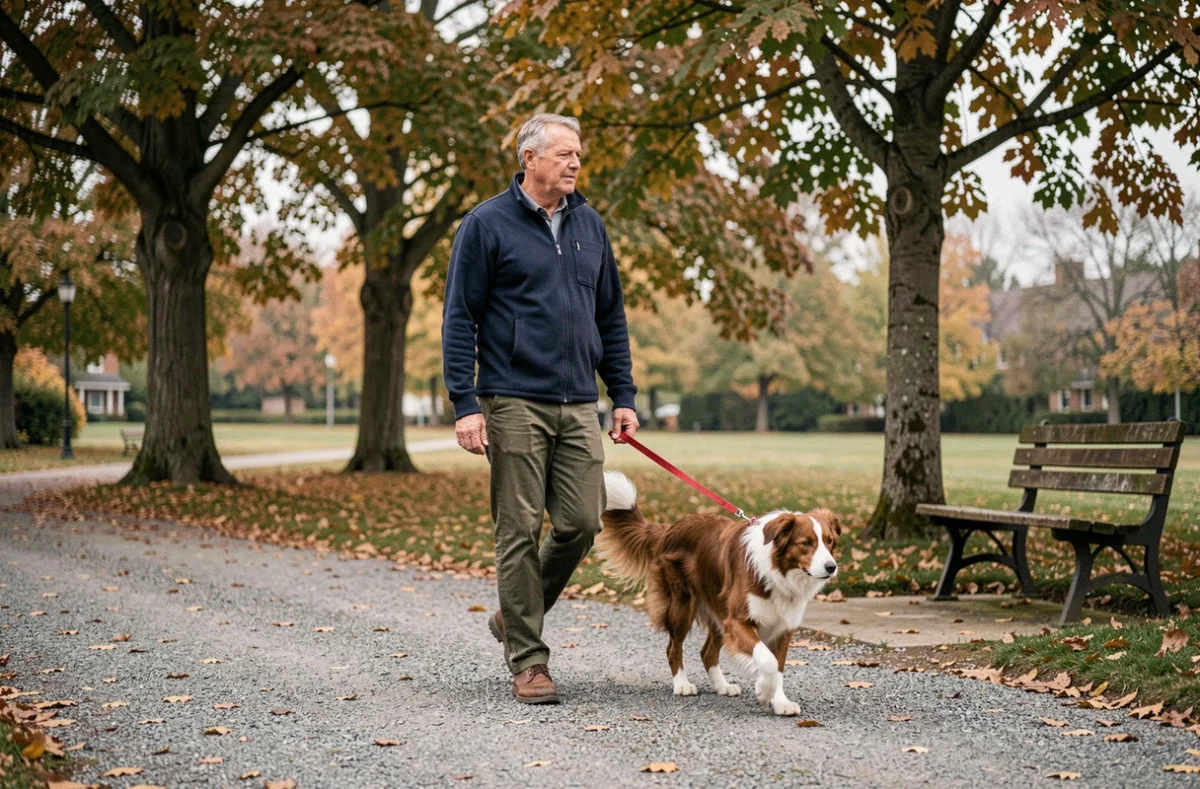
Resuming activity should be gradual. Short leash walks at first, then we extend them according to recovery. A dog without a spleen can return to a normal level of activity, but the increase in load must be gradual.
Alert signs in daily life
In the long term, a splenectomized dog has a slightly more vulnerable immune system. We monitor:
- Any persistent fever, even mild, which may indicate a bacterial infection that is harder to control without a spleen.
- Paleness of the gums, a quick indicator of anemia.
- A sudden lethargy or loss of appetite that cannot be explained by a change in environment.
- Episodes of weakness or imbalance, potentially related to late cardiac complications.
Regular veterinary follow-up remains the cornerstone of care. The frequency of consultations depends on the histological result: every two to three months for a hemangiosarcoma, spaced further for a benign tumor. Each visit ideally includes a complete clinical examination and, depending on the case, an abdominal ultrasound and chest X-rays to monitor for potential metastases.
Living with a dog after a splenectomy requires diligence in tick prevention, responsiveness to alert signs, and regular communication with the veterinarian. The histological result guides everything. The rest is attentive observation and consistency in follow-up.