
Some days are so similar that we end up functioning on autopilot. To brighten your daily life and regain a lighter perspective on things, a few concrete gestures are enough. There’s no need to turn everything upside down: brief, repeated adjustments produce a real effect on mood and stress resistance.
1. Micro-moment of flavor in the morning with a chosen drink

Recommended read : How to Maintain and Repair the Essential Parts of Your Vehicle: Focus on the Wheels
Have you ever noticed the difference between gulping down a coffee while standing and taking two minutes to smell its aroma, choose your cup, and sit down? This tiny shift transforms a mechanical gesture into a micro-moment of conscious joy. The idea is not to slow down the entire morning, but to create a sensory anchor point before the day speeds up.
Vary the pleasures: green tea, garden verbena infusion, spiced hot chocolate. Actively choosing your drink, rather than repeating the same automation, awakens attention and colors the start of the day.
Recommended read : How to Determine the Authenticity of Your iPhone?
To find other ideas that change the routine effortlessly, you can visit vraimentsympa.fr and browse their suggestions categorized by theme.
2. Seeds to sow on a windowsill
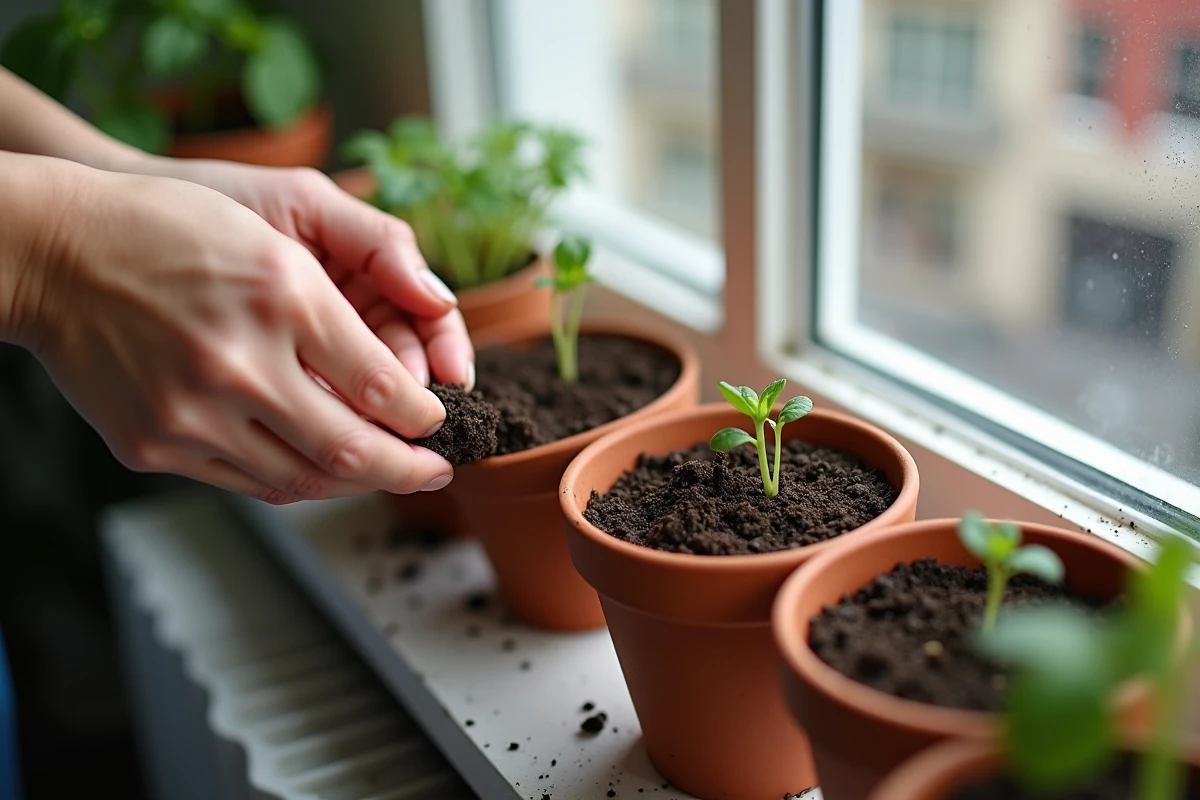
Watching something you’ve sown grow brings a satisfaction that’s hard to replicate otherwise. A packet of basil, radish, or nasturtium seeds costs very little and requires neither a garden nor expertise.
Sowing, watering, observing germination creates a daily appointment with the living. Within a few days, the first shoots appear. This small growth cycle reminds us that results come with consistency, not impatience.
3. Handmade natural wax candle for the evening

The artificial light from screens fatigues the nervous system at the end of the day. Lighting a vegetable wax candle changes the atmosphere of a room in seconds. The flickering flame captures the gaze and naturally slows the internal rhythm.
Choose a candle without synthetic fragrance, made from soy or rapeseed wax. The soft light of a flame reduces visual stimulation and prepares the body for rest much better than a ceiling light.
4. Handwritten letter kit to send

Sending a message of gratitude by postal mail creates an effect that digital communication cannot replicate. The recipient receives a physical, unexpected, personal object. For the sender, the act of writing by hand engages attention in a way that typing does not.
Get a small kit with quality paper, a few envelopes, and a pleasant pen. There’s no need to write three pages: five sincere lines touch more than a long speech. One letter a week, addressed to a different loved one, maintains connections and provides a delightful goal.
5. Daily walk without headphones or phone

Walking in silence, without a podcast or music, may seem trivial. However, the effect on mental clarity is noticeable from the very first week. The brain, freed from the constant audio stream, processes thoughts in the background and often produces unexpected ideas or solutions.
Fifteen minutes is enough. The route can be the same every day: it’s precisely by repeating the journey that you start to notice details (a blooming tree, a cat on a wall, changing light). Attention to the present is trained like a muscle.
6. Surprise box of local products delivered each month

Receiving a package that you didn’t put together yourself reintroduces a small element of surprise into the routine. Several services offer monthly boxes containing French artisanal products: jams, cookies, spices, honey.
The interest goes beyond the contents of the box. Each product tells a story of a region, craftsmanship, and raw materials. It’s a way to travel without moving and discover flavors you would never have chosen from the shelf.
7. Notebook of three good moments each day

Have you ever tried to note, before sleeping, three positive things that happened during the day? This gesture, studied in positive psychology, acts on the brain’s natural tendency to retain more negative experiences.
A dedicated notebook, placed on the bedside table, makes the exercise tangible. In the first few days, you may hesitate. Then, good moments become easier to spot, not because they increase, but because attention recalibrates towards what works.
8. Fresh flowers in a vase each week
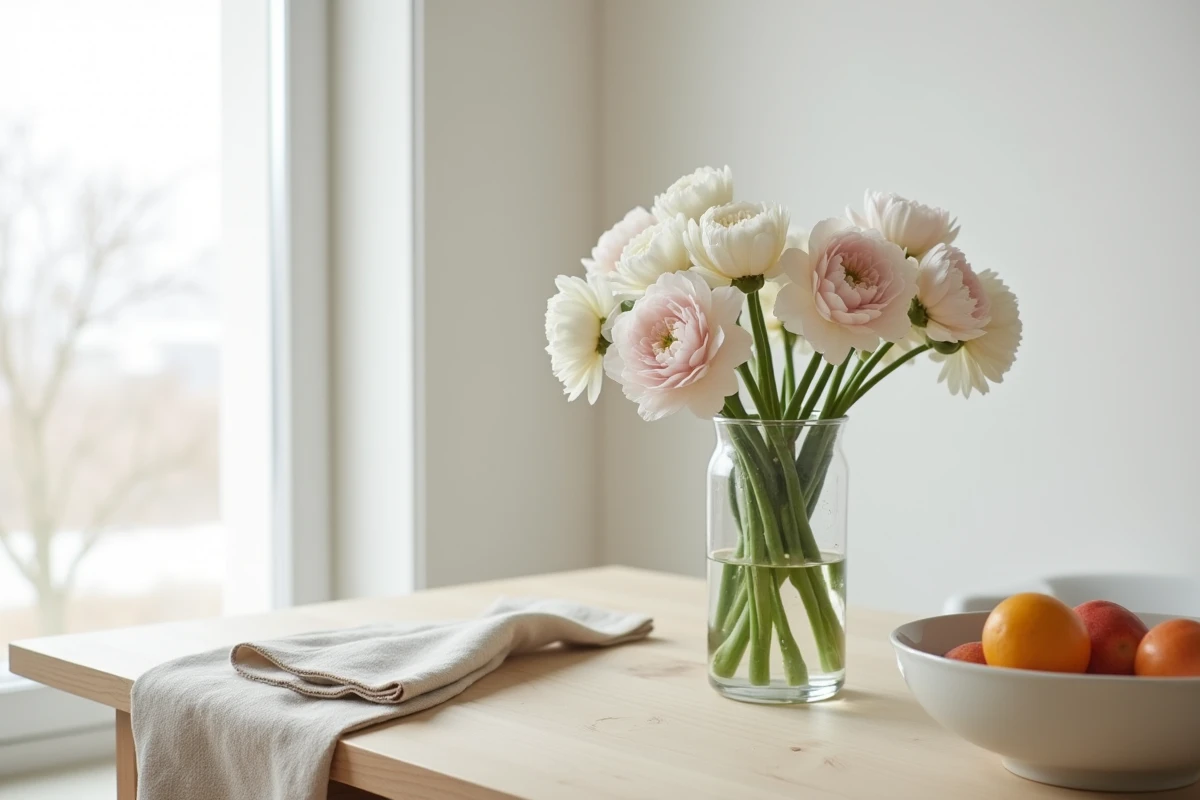
A bouquet of fresh flowers changes the ambiance of a room. Not an expensive florist bouquet: a few stems bought at the market or picked from the garden are enough. The act of choosing the flowers, cutting the stems, and filling the vase contributes to the pleasure.
Change the species according to the season. Peonies in spring, sunflowers in summer, dahlias in autumn. Adapting the bouquet to the natural calendar reconnects you to seasonal rhythms effortlessly.
9. Handmade wooden object to replace a plastic item

Replacing a daily accessory (spatula, soap dish, trivet) with a handmade wooden equivalent changes the relationship with objects. The touch of wood, its warmth, its unique grain create a sensory contact that plastic does not offer.
This gradual replacement, one object at a time, also provides an excuse to discover local artisans. Each new object made from natural materials subtly enhances the home’s interior and the pleasure of using durable items.
10. Kind nudge via a positive micro-exercise app

For a few years now, apps have been offering daily micro-interventions validated by research: noting a moment of gratitude, reevaluating a stressful situation from another angle, sending a positive message to someone.
These brief reminders (a few minutes a day) function as kind nudges that interrupt rumination. The idea is not to spend more time on your phone, but to transform a few seconds of screen time into a concrete lever for mood.
- Choose an app that offers short and varied exercises, not just a simple journal
- Activate only one notification per day to avoid the opposite effect (overload)
- Test for three weeks before judging effectiveness: the effects are gradual
Seeing life from the bright side does not depend on a major upheaval. Each idea listed here works because it integrates into what already exists: a morning, a windowsill, a walk, a notebook. The common thread is the intentional repetition of brief gestures that, when added together, recalibrate attention towards what nourishes rather than what drains.