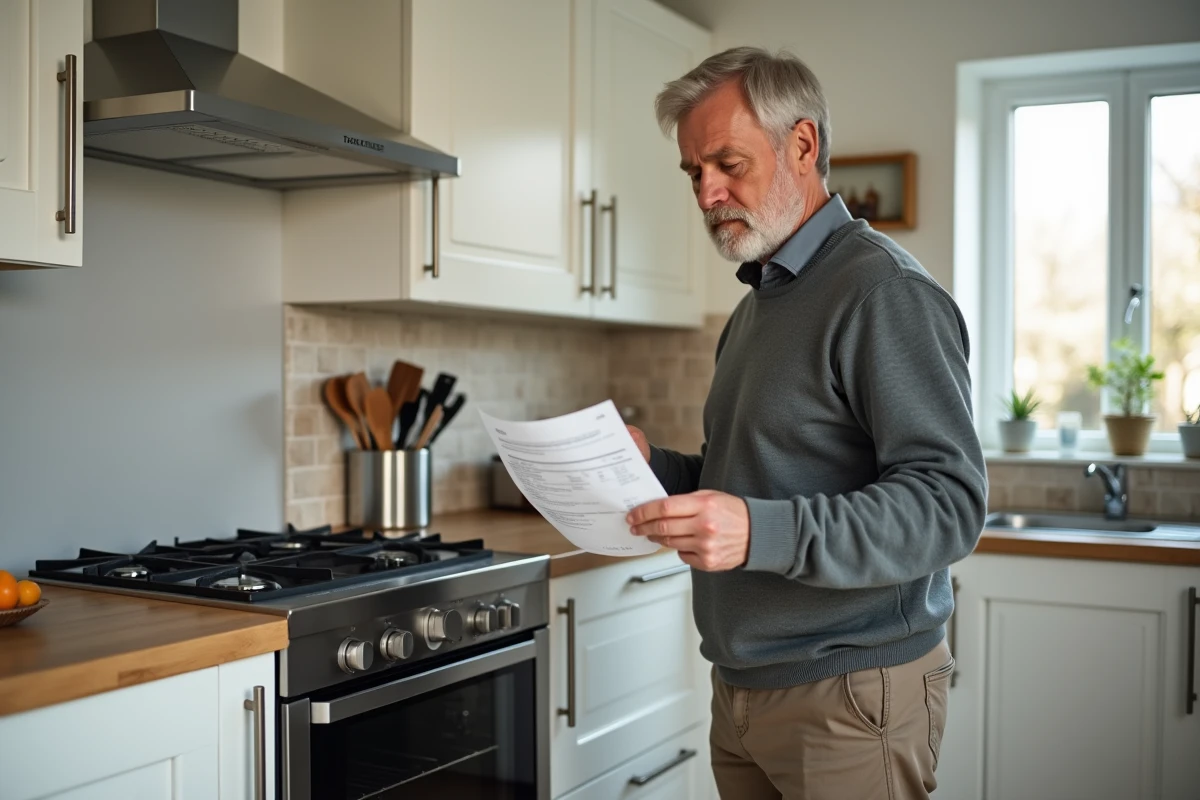
A well-drafted lease doesn’t solve everything: when the oven breaks down in a rental kitchen, responsibilities often become blurred, and the law struggles to resolve everything with a wave of a magic wand. Built-in appliances, a real minefield in rental contracts, crystallize debates and force everyone to reread, sometimes with trembling hands, the clauses of their lease.
Oven breakdown in a rental: who is responsible?
There’s no escaping it: the breakdown of an oven in a rental inevitably raises the same question. Who pays the bill: the landlord or the tenant? The lease then serves as a compass. If the appliance is listed in the inventory, the landlord commits, in black and white, to keep it in proper working order. Legally, the handover of keys comes with a clear requirement: the accommodation must be equipped with operational appliances, a sine qua non condition for any furnished rental.
But the mechanics get stuck at the first hitch. When the oven falters, the origin of the problem must be examined. A lack of regular maintenance, cleaning, replacing a small part, changing a bulb, falls to the tenant. However, if the breakdown is due to wear and tear or a serious technical failure, the replacement becomes the landlord’s responsibility. The landlord must then ensure that the tenant benefits from a pleasant living environment, where each listed equipment remains compliant with expectations.
Then there’s the thorny question: who provides proof of the cause? As long as no negligence is demonstrated on the tenant’s side, case law tends to place the burden of replacement on the landlord. To explore all the subtleties, the dedicated page on responsibility for replacing an oven in a rental details the various scenarios and their consequences.
Managing this type of situation requires method and foresight. Mentioning each appliance in the lease, describing their condition upon moving in, keeping invoices and receipts: these reflexes protect and clarify the sharing of costs during an incident. This way, lengthy discussions and unjustified accusations can be avoided.
What the law says about the maintenance and replacement of household appliances
The civil code, associated with the law of July 6, 1989, sets the framework. The landlord must provide a dwelling in a state of use and repair. This requirement includes all household appliances present at the signing of the lease, particularly in the case of a furnished rental. If the oven appears in the inventory, it falls under this obligation.
The tenant, for their part, is responsible for maintenance, with no way around it. Minor repairs, bulbs, cleaning, descaling, fall to them, in accordance with decree n°87-712. But as soon as the breakdown results from normal wear and tear or a technical failure independent of any fault, the landlord must replace the appliance.
To better understand how the law distributes responsibilities, here are typical cases:
- If the breakdown is due to age or a hidden defect in the appliance, the replacement falls under the landlord’s responsibility.
- In cases of poor maintenance or inappropriate use, the repair remains the tenant’s responsibility.
The duration of the lease does not change this logic. A listed appliance must function without interruption throughout the lease, repairs included. The landlord commits to keeping each piece of equipment in good condition, as attested during the inventory.
To delve deeper into the differences based on the type of breakdown or the mentions in the lease, the page on responsibility for replacing an oven in a rental offers a detailed analysis.

Practical tips to avoid (or resolve) conflicts between tenant and landlord
Renting requires diligence, starting from the signing of the lease. A complete inventory, with supporting photos for each appliance is essential. This document will serve as an arbiter in case of a breakdown or disagreement regarding the oven. This clarity limits misunderstandings and lays the groundwork for a balanced relationship.
Regular maintenance of household appliances prevents many breakdowns. The tenant cleans, descalers, checks that everything works; the landlord regularly checks compliance and replaces what needs to be replaced. If a breakdown occurs, swift action is required. Notify the other party in writing, by email or registered mail, and attach all necessary supporting documents: invoices, technician reports.
Some reflexes to adopt
To limit disagreements, these practices often prove beneficial:
- Centralize written communications and documents related to the lease, the inventory, and repairs.
- If the cause of the breakdown is not obvious, call in a certified professional to establish a diagnosis.
- Respect the division of tasks: minor repairs are the tenant’s responsibility, while replacement in case of wear falls to the landlord.
Before considering legal action, mediation often allows for a quick and fair resolution. A frank dialogue, supported by concrete evidence, is sufficient in most cases to resolve the dispute, respecting everyone’s rights.
Because a simple oven can sometimes shake the rental relationship, it’s better to anticipate and play it transparently. The result: less tension, more serenity, and a home where no one gets burned over repair issues.