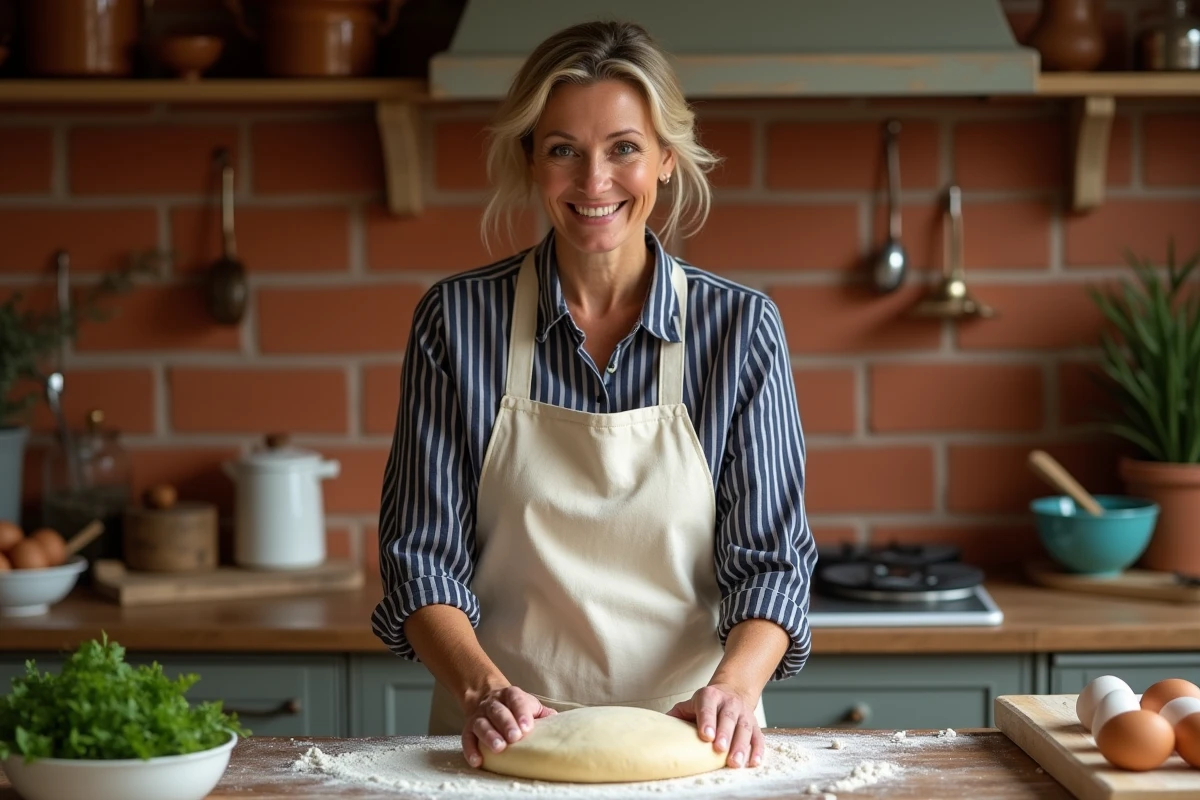
A homemade dish rests on three technical pillars: mastery of heat, choice of raw ingredients, and timing of each step. Successfully creating delicious recipes every day does not require professional equipment, but a precise understanding of what is happening in the pot or oven.
Controlled cooking: the technical lever that recipes describe poorly
Most recipes indicate a temperature and a duration. These two parameters are not enough. The success of cooking also depends on the thermal inertia of the container, meaning its ability to retain and redistribute heat evenly.
A cast iron pot heats slowly but stores a lot of energy. The result: braises, gratins, and stews develop deep flavors because the temperature remains stable even when the lid is opened. In contrast, a thin stainless steel pan reacts quickly to changes in flame, making it ideal for searing a fish fillet or sautéing spring asparagus.
To explore varied approaches and find inspiration suited to each type of cooking, cooking on Gourmandises et Cie offers recipes categorized by technique, making it easier to choose the right utensil.
Preheating the oven also deserves adjustment. The built-in probe of a home oven may display the target temperature while the chamber is not yet stabilized. Letting the oven run for an additional five to ten minutes after the beep significantly improves the consistency of a tart or gratin.

Waste-free recipes: cooking the neglected parts of ingredients
Searches for zero-waste recipes have significantly increased in recent years on French culinary platforms. This trend reflects a concrete change in habits: greens, peels, and cores are becoming full-fledged ingredients.
Carrot greens, blended with olive oil, garlic, and sunflower seeds, create a plant-based pesto that is a great substitute for out-of-season basil. Zucchini peels, sautéed with a bit of butter and a splash of water, form a fragrant and naturally thick soup base.
Three waste-reducing reflexes applicable to every meal
- Keep poultry carcasses and vegetable trimmings in the freezer to prepare a concentrated homemade broth, much more flavorful than industrial cubes.
- Use stale bread to bind a stuffing, thicken a soup, or prepare a savory bread pudding with leftover cheese.
- Save the cooking juice from steamed vegetables as a liquid base for cooking risotto or deglazing a pan.
These actions reduce waste while adding a layer of flavor that classic recipes do not exploit.
Adapting classic recipes for cooking without frying
The rise of air fryers is changing how home cooks approach crispy dishes. These devices allow for a reduction of three to four times the amount of fat needed to achieve a golden and crunchy result.
The principle is simple: a powerful fan circulates very hot air around the food, partially replicating the effect of frying through forced convection. For a vegetable gratin, this means a golden crust on the surface without drowning the dish in butter or cream.

Adjustments to know for success with an air fryer
Cooking times in an air fryer are generally shorter than those indicated for a traditional oven. The temperature can also be reduced by a few degrees, as air circulates more efficiently in a smaller space.
A common pitfall concerns breading. Classic breadcrumbs dry out too quickly without a light brush of oil. Two thin layers are better than one thick layer that risks burning before the center is cooked.
Short lactic fermentation: a preservation method that enriches flavor
Beyond the freezer, lactic fermentation offers a preservation alternative that also transforms the flavor of foods. Popularized by Japanese and Korean cuisine, this technique is gaining ground in France for vegetables and certain sauces.
The principle relies on lactic acid bacteria naturally present on the surface of vegetables. Soaked in brine (water and salt, without vinegar), the vegetables ferment at room temperature for a few days. The result: a tangy condiment, rich in aromas, that pairs well with both a rice dish and a spring salad.
- Fermented grated carrots develop a mild acidity that replaces vinaigrette in a light meal.
- Lacto-fermented radishes retain their crunch while gaining a depth of flavor absent in raw radishes.
- A tomato coulis fermented for a few days before canning gains umami, enhancing the taste of a pasta sauce without adding extra sugar or salt.
Two to five days are enough for short fermentation, unlike long preparations like sauerkraut that require several weeks. The health risk remains low as long as a correct salt dosage is respected and clean containers are used.

Natural substitutions for cooking without additives
The recent extension of mandatory allergen labeling in prepared dishes highlights the importance of mastering one’s own preparations. Cooking at home allows for control over every ingredient and the elimination of unnecessary additives.
Cornstarch replaces industrial thickeners in a sauce or dessert cream. A teaspoon of baking soda aerates a cake batter without resorting to a complex chemical leavening agent. Chickpea juice (aquafaba), whipped into peaks, substitutes for egg whites in a chocolate mousse, resulting in a stable and airy texture.
These substitutions are not compromises. They produce dishes whose texture and flavor rival traditional versions, provided the proportions are respected. Too much cornstarch weighs down a sauce instead of thickening it, and an excess of baking soda leaves a metallic aftertaste.
Homemade cooking progresses every time a technical gesture replaces a processed product. Each successful recipe with raw ingredients builds a personal repertoire that ultimately makes resorting to prepared dishes unnecessary.