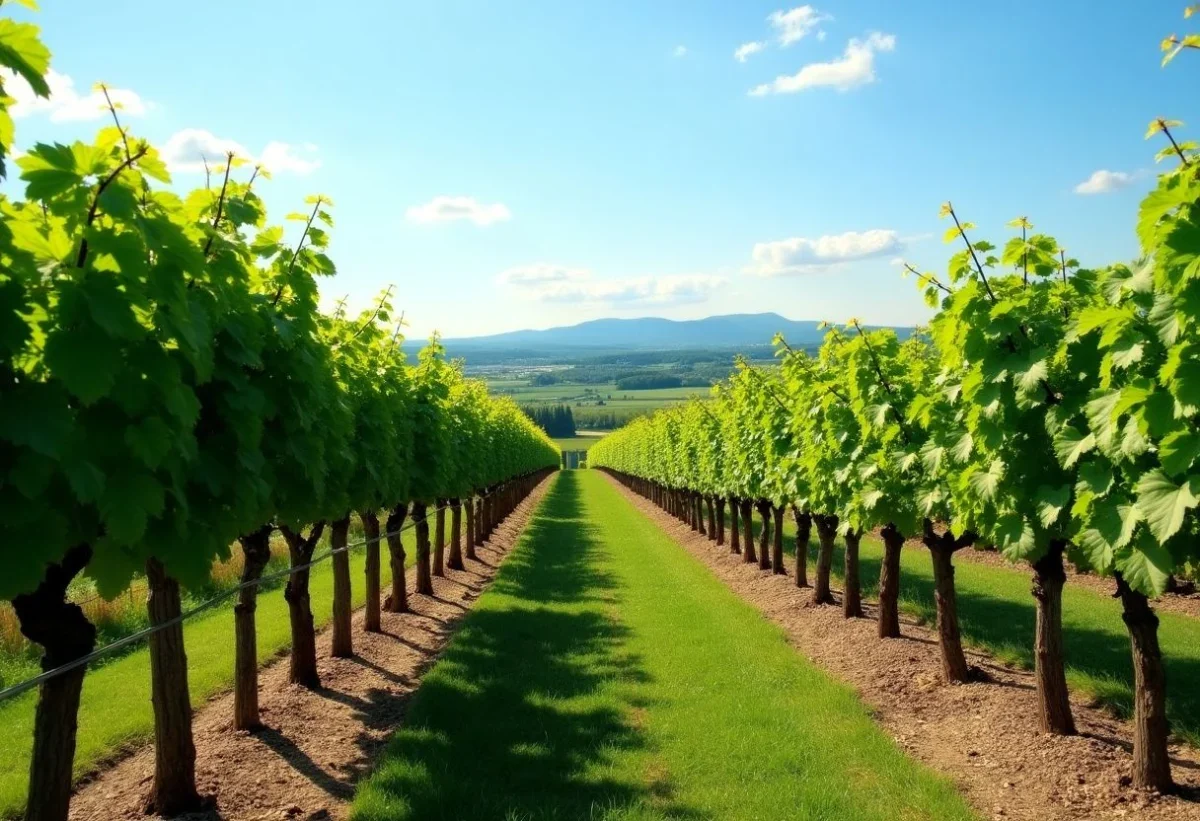
In the north of Burgundy, an exceptional wine region gently unfolds, enveloped by a unique climate and distinctive limestone soil. This terroir, enriched by centuries of tradition, gives birth to Chablis wine, a nectar whose reputation continues to grow. A true emblem of dry white wines, each drop tells a story of finesse and minerality, of passion and ancestral know-how. Praised by connoisseurs around the world, this wine is much more than just a drink; it is a sensory experience, a perfect balance between elegance and complexity.
The historical origins of Chablis
To understand the essence of Chablis wine, one must travel back in time to the era when Cistercian monks made this terroir their preferred domain. Their quest for perfection gave rise to a culture of vine-growing that endures today.
- Cistercian monks: As early as the 12th century, they planted the first vines, immediately recognizing the exceptional potential of the Kimmeridgian soils.
- Geological influence: The limestone rich in marine fossils imparts this distinctive minerality and unparalleled freshness to the wine.
- A preserved tradition: Viticulture techniques have evolved, but the very essence of Chablis remains rooted in respect for the terroir and history.
The unique terroir of Chablis
Chablis is not just an appellation. It is a symbiosis between the soil, the climate, and man. Each element plays a fundamental role in the creation of this exceptional wine, combining minerality and purity.
The region is distinguished by its Kimmeridgian limestone soils, composed of oyster fossils, which bring typical minerality and freshness to the wine. The continental climate, marked by harsh winters and sunny summers, shapes the unique character of Chablis.
The combination of these natural elements is enhanced by the meticulous work of the winemakers, guardians of a know-how passed down from generation to generation.
The different classifications of Chablis
Chablis wine comes in several quality levels, offering a palette of flavors and tasting experiences. Each classification reveals particular characteristics, reflecting the terroir and expertise.
- Petit Chablis: Coming from the more distant parcels of the heart of the appellation, it is fresh and light, perfect for a gentle introduction.
- Chablis: The intermediate level, where minerality and finesse begin to assert themselves, offering a perfect balance.
- Chablis Premier Cru: The hillside vineyards provide additional intensity and complexity, revealing aromas of ripe fruits and spices.
- Chablis Grand Cru: At the top of the hierarchy, these wines represent the pinnacle of sophistication, with a broad structure and exceptional length on the palate.
Food pairings with Chablis
Chablis wine is a precious ally in the kitchen, its versatility and freshness making it the ideal companion for many dishes.
The perfect pairing between Chablis and seafood is a given, as their meeting delights the palate. The subtle aromas of Chablis also pair wonderfully with sauced poultry dishes, where the wine’s minerality balances the richness of the dish. Finally, an aged Chablis can surprise when accompanying aged cheeses, creating a delicate harmony between flavors. The possibilities are endless, with each tasting being a new discovery.
Chablis wine, with its delicate nuances and complex depth, continues to enchant wine lovers around the world. It embodies the excellence of Burgundian viticulture and remains an essential reference for anyone looking to explore the richness of French white wines. Whether for an intimate tasting moment or a sophisticated gastronomic pairing, Chablis offers an unforgettable experience, a celebration of terroir and the French art of living.