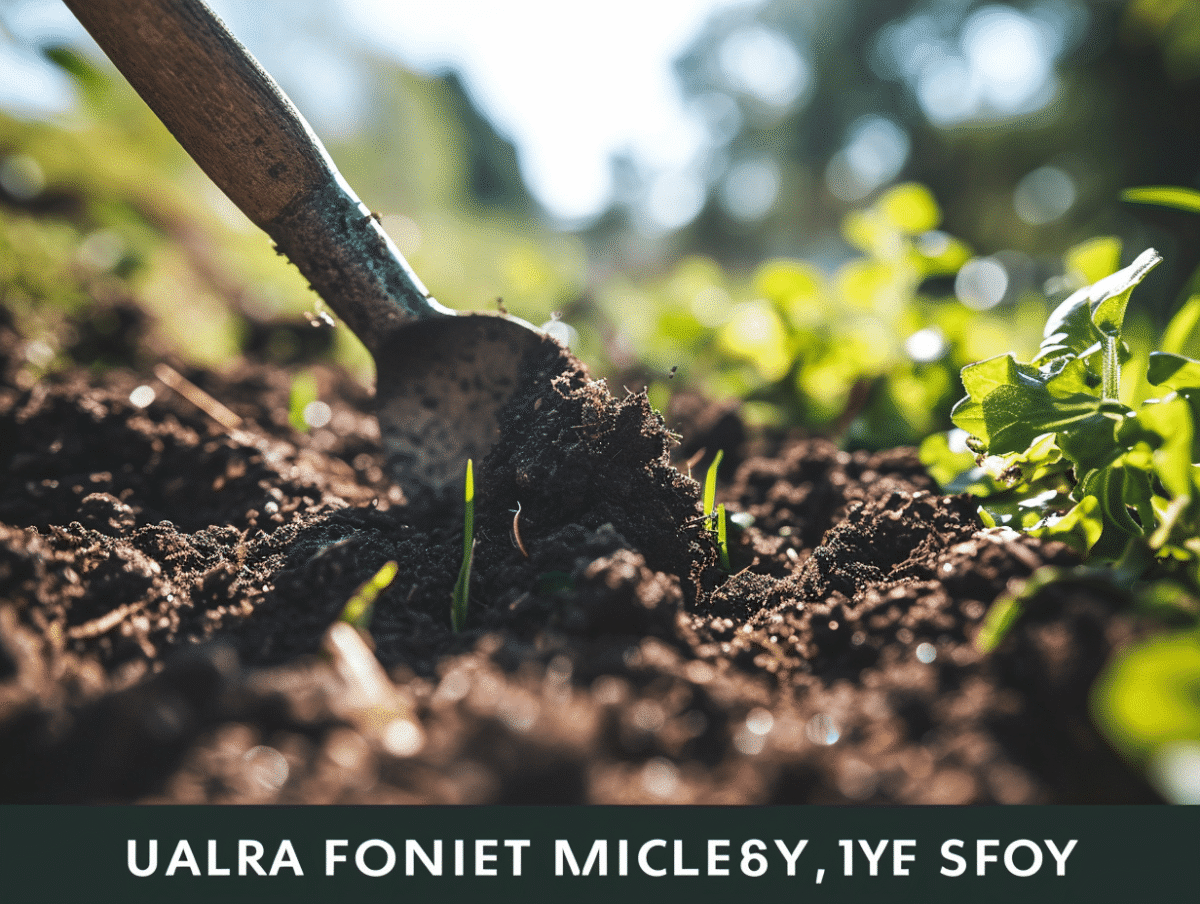
The health of a lawn is intrinsically dependent on the quality of the soil in which it grows. Rich and well-structured soil provides an optimal environment for robust roots and vigorous grass development. Homeowners and gardeners are constantly seeking methods to enrich their soil, whether through the addition of organic matter, such as compost, or by balancing pH with amendments. Proper soil aeration promotes the penetration of water and essential nutrients, thereby reducing the need for frequent watering and excessive fertilization, leading to a more sustainable and aesthetically pleasing lawn.
The fundamentals for fertile soil and a robust lawn
The lawn, an essential element for beautifying a garden or outdoor space, requires meticulous maintenance. Indeed, to achieve a healthy lawn, actions such as hydration, nutrient supply, and the fight against weeds and pests are necessary. Regular mowing is an integral part of this maintenance and must be carried out with care. Choosing the ideal thermal mower becomes an exercise in precision, where one considers the cutting frequency and the type of terrain to ensure a lawn that is at least aesthetically pleasing.
The soil, for its part, is the foundation for a healthy lawn. It requires thorough analysis and continuous improvement, which can be enriched by elements such as compost, crop rotation, mulching, and cover crops. These practices contribute to the improvement of soil quality, giving it better structure and an increased capacity to retain water and essential nutrients for a more robust lawn. Maintenance includes regular actions such as watering, fertilizing, aerating, and pest control. Watering should be tailored to the lawn’s needs and can be optimized through efficient irrigation systems, ensuring sustainable water management. These interventions, when carried out judiciously, contribute to the vitality of a lawn spring after spring, year after year, without neglecting the need to renovate the lawn when necessary.

Ecological maintenance strategies for a sustainably healthy lawn
In the quest for an ecological lawn, adopting virtuous practices is paramount. Ecological fertilization serves as a central pivot for nourishing the lawn while respecting the environment. Using natural organic materials such as compost and eco-friendly fertilizers stimulates microfauna and improves soil quality. This ecological approach increases the lawn’s resistance to diseases and promotes healthy growth.
The integration of organic seeds and the implementation of mulching are techniques that contribute to the establishment of a drought-resistant lawn. The presence of beneficial bacteria, encouraged by such methods, is an asset for a robust lawn. These microorganisms play a crucial role in the nutrition of the lawn and in protection against pathogens. The fight against weeds is also part of this ecological approach. Natural prevention methods and regular maintenance allow for effective control of these undesirables without resorting to chemical products. Maintaining an adequate lawn density and paying particular attention to soil quality are preventive measures that limit the proliferation of unwanted grasses. An intelligent watering system and sustainable water management are essential to support these ecological strategies. Irrigation systems should be designed to reduce waste and provide the lawn with the necessary amount of water, without excess. Such water management enhances water and nutrient retention in the soil, essential for a healthy lawn.